
How JFDI Created a Better Booking Platform
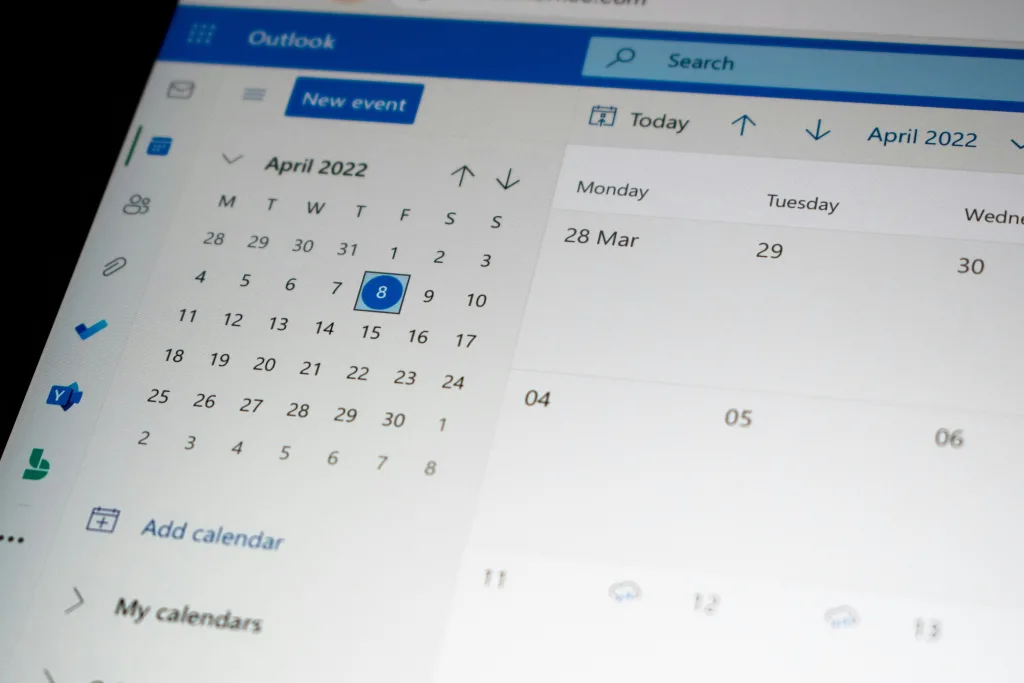
Our client was struggling with an outdated hot-desk and meeting room booking system that no longer met their operational needs. They searched the open market for a modern replacement, but every tested product lacked some critical functionality or wasn’t flexible enough. Their organisation needed a tool that could scale with specific hybrid-work policies and deliver a seamless user experience.
How did JFDI respond to the client’s challenge?
JFDI’s Technical Director, Joel Jeffery recognised an opportunity to help our client and initiated a small in-house “skunk works” project to prototype a tailored solution. This rapid-development approach reflects JFDI’s attitude: if the market does not offer what is needed, we create it. The goal was clear, deliver a booking system that is simple, dependable, and built around the desired user experience.
The Solution
Leveraging Microsoft SharePoint Framework, our team rapidly developed a functional prototype which addressed most of the client’s requirements. The solution integrates booking, scheduling, and floor space layout management in one intuitive interface. When the prototyping phase was over, we presented the proposed system to our client. They were delighted and committed to onboard the system for day-to-day use.
Next, JFDI plans to make this solution available to the wider market. This solution was engineered as a configurable product so it can support various environments, from public meeting workspaces to large enterprises managing complex hybrid bookings. Software designed to address real requirements and delivered at speed doesn’t just help, it can free up organisations from the limitations of outdated software.
The JFDI way
This is another example of JFDI not accepting imposed customer limitations and will provide better options which fit their needs. The outcome remains the same: effective solutions, delivered fast, by a team that just get it done.
Latest news See all
The future of Locodium
Locodium is our software development platform, constantly evolving, gaining new features and capabilities with each released version. Supporting the advancement of full-scale business applications with an emphasis on long-term sustainability. Encouraging developers to think about systems as living structures, considering data, engagement rules, workflow, and an interface that evolves together. That philosophy continues to guide […]
How JAF became Locodium
Before our first development framework existed, JFDI was building complex, long-lived business systems. Solutions for clients who needed more than quick wins or throwaway applications. Over time, we observed more and more patterns. Not theoretical, but practical ones shaped by maintenance, change, scale, and the benefit of getting early decisions correct.
The JFDI Agentic Development Manifesto
The promise of AI-assisted development is being squandered. Every day, developers paste enterprise code into generic AI tools and receive plausible-looking output that fails on contact with reality. Hallucinated APIs. Invented functions. Patterns that existed in training data but not in production. The industry has accepted a 50% rework rate as normal – and called it “productivity gain.”