
Why due diligence matters when migrating content to or from SharePoint
Migrating content into or out of SharePoint is one of those tasks that sounds simple at first glance: move files from A to B. However, SharePoint migration due diligence is essential, as it is far more complex, especially for organisations with years of accumulated documents, inconsistent file structures, or those where compliance calls the shots.
A well-executed migration can transform productivity, discoverability, governance, and collaboration. By contrast, a poorly managed migration can create broken links, lost context, corrupted metadata, permission chaos, and in effect, a frustrated stakeholder.
This is where the SharePoint migration due diligence becomes essential. Before a single file moves, you need a clear understanding of what you have, how it is used, and what it should look like after the migration. The more complex content you host, the more important this step becomes.
Your SharePoint tenancy should make you feel proud
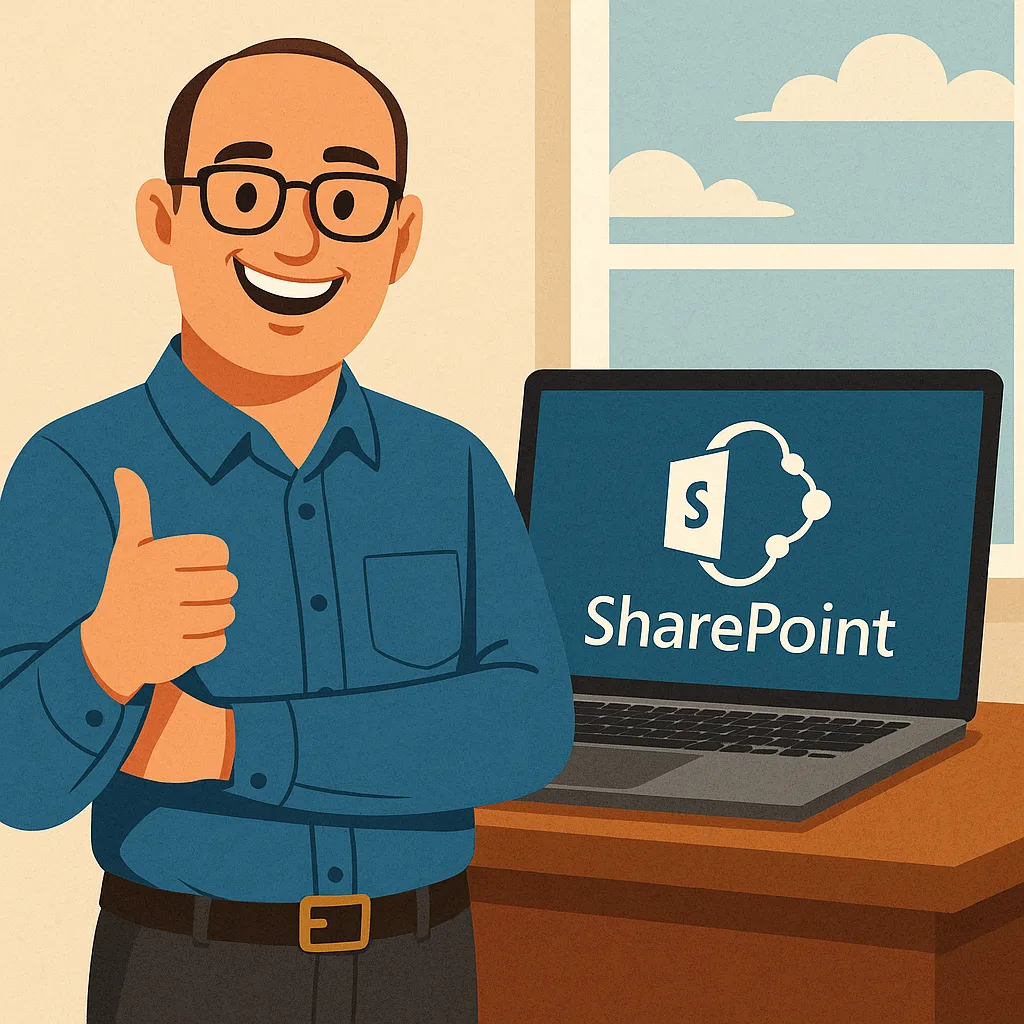
SharePoint can be the underpinning of all business operations, as it gives structure, leverages metadata, represents a security module and is capable of automation providing unmatched governance. When considering SharePoint migration, due diligence means you’re not just moving files; you are also improving habits, risks, and technical debt.
Doing proper due diligence gives you:
- A clear picture of your existing content; where you have an opportunity to identify all duplicated files, unused sites, outdated materials etc.
- A full understanding of metadata, particularly where it could be improved or standardised
- A strategy for compliance supporting the new system to not fall into old, problematic file management habits
- A predictable migration, rather than one that is full of surprises and inconsistencies
Skipping this step often leads to costly rework or, worse, a SharePoint environment that is harder to use than the one you replaced.
Three top tips for anyone tasked with a SharePoint migration due diligence
1. You don’t need to move everything
Old drafts, duplicates, outdated content, and legacy folders can all be left behind. A pre-migration audit will:
- Reduce migration time
- Lower storage and licensing costs
- Improve search and usability after the move
A vital part of SharePoint migration due diligence is maintaining a clean, purposeful dataset as the foundation of a successful migration.
2. Treat information architecture as the priority
SharePoint’s real power comes from structured metadata. If your current content relies on traditional nested folders with inconsistent naming, migrating “as is” will only perpetuate the disorder.
Use the migration as an opportunity to:
- Introduce or improve metadata
- Create consistent content types
- Define a clear information architecture
- Improve governance and retention policies
This is where tools like our AutoTag make a substantial difference, automatically applying metadata so content becomes easier to find and manage.
3. Use the right tools
Manual migrations are slow and error-prone. Tools like Casper365 can automate large-scale moves whist preserving permissions and required governance structures. Originally, JFDI helped to build this tool, and we are proud to be partners with them since its release. However, tools alone cannot guarantee success. Remember to always validate content after migration and ensure that all permissions have been set correctly. It is also important to assess filtering, search, integrations, and automations.
A migration is not complete until the new environment is verified and usable.
When to call in a professional service provider
If you are migrating a small team’s content or a short-term project site, an internal team can often manage the job effectively. But if your organisation is moving terabytes of files, multiple SharePoint sites, cross-tenant content, legacy DMS archives, or anything with compliance importance, it is wise to bring in professionals.
A specialist SharePoint migration team like JFDI’s brings necessary expertise when handling edge cases, including trusted tools to make the process guaranteed. Even in the most difficult migration scenarios, they know how to avoid pitfalls and give you confidence that nothing will be lost or misconfigured. Simply, they are there for you to make your new SharePoint environment a dependable business resource.
Latest news See all
The future of Locodium
Locodium is our software development platform, constantly evolving, gaining new features and capabilities with each released version. Supporting the advancement of full-scale business applications with an emphasis on long-term sustainability. Encouraging developers to think about systems as living structures, considering data, engagement rules, workflow, and an interface that evolves together. That philosophy continues to guide […]
How JAF became Locodium
Before our first development framework existed, JFDI was building complex, long-lived business systems. Solutions for clients who needed more than quick wins or throwaway applications. Over time, we observed more and more patterns. Not theoretical, but practical ones shaped by maintenance, change, scale, and the benefit of getting early decisions correct.
The JFDI Agentic Development Manifesto
The promise of AI-assisted development is being squandered. Every day, developers paste enterprise code into generic AI tools and receive plausible-looking output that fails on contact with reality. Hallucinated APIs. Invented functions. Patterns that existed in training data but not in production. The industry has accepted a 50% rework rate as normal – and called it “productivity gain.”